
Why Do Brides Wear a Veil? The Tradition Explained
A bride's veil is a traditional accessory that is often worn by women on their wedding day. The veil is a piece of fabric that is attached to the bride's hair and falls over her face and shoulders, creating a romantic and ethereal look. It has been worn by brides for centuries.
The origins of the veil can be traced back to ancient civilizations, where it was worn as a symbol of purity. In ancient Rome, for example, brides would wear a veil called a flammeum, which was made of yellow silk and symbolized the bride's transition from maidenhood to married life.
In the Middle Ages, the veil became an important symbol of the bride's submission to her husband. The veil was often used to cover the bride's face, and the groom would lift it to reveal his bride during the ceremony. This symbolized the groom's ownership of the bride and her willingness to submit to him. We wonder if that is why covering the brides face with the veil, is now no longer a thing.
During the Renaissance, the veil became more decorative and was often adorned with intricate designs and embroidery. The veil was also used to indicate the bride's social status, with wealthier brides wearing longer and more elaborate veils.
In the Victorian era, the veil became an important aspect of the wedding dress. Brides would often wear a long veil that flowed down their back and was adorned with lace and other embellishments. The veil was also used to conceal the bride's face until the ceremony was over, as it was considered inappropriate for the bride to be seen before the wedding.
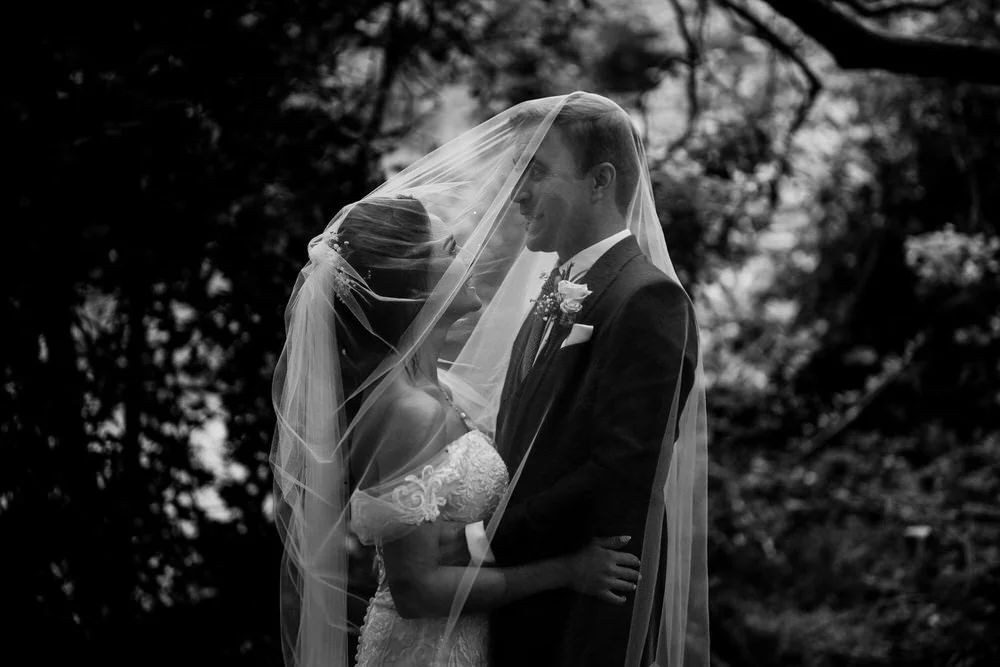
The brides wedding veil today
Today, the veil is worn for both symbolic and aesthetic reasons. Many brides choose to wear a veil as a symbol of their commitment to their partner and as a tribute to tradition. Others simply enjoy the way a veil can enhance the overall look of their wedding dress.
The traditional veil is a long, sheer piece of fabric that is attached to a comb or hairpins and falls to the floor. However, there are many different styles of veils available, including short veils, birdcage veils, and mantilla veils. Some brides choose to wear a veil that is adorned with lace, beads, or other embellishments.
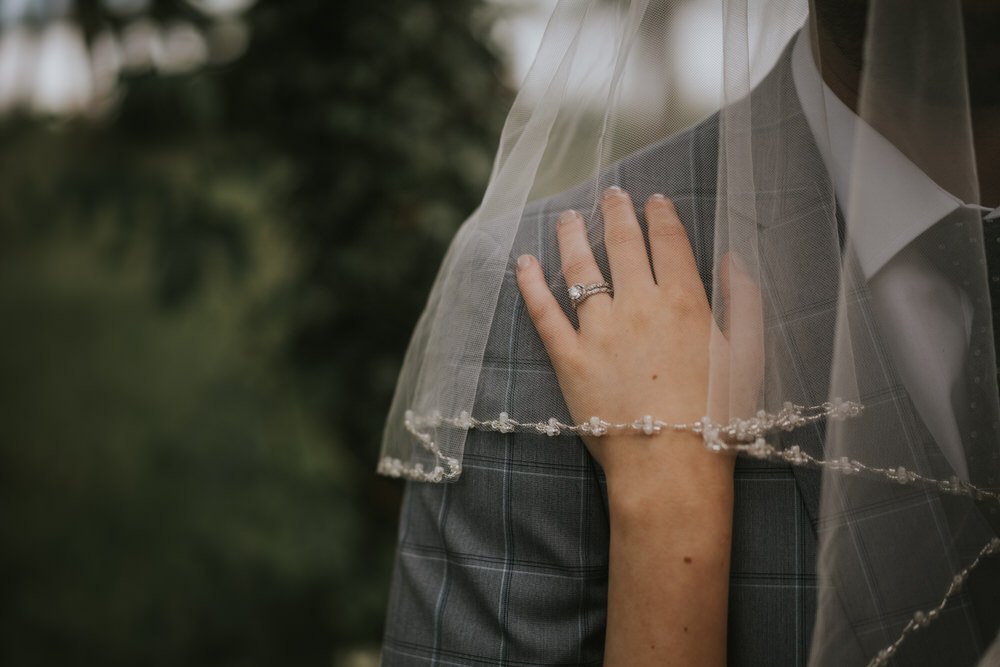
When choosing a veil, it is important to consider the overall style and theme of the wedding. A simple veil may be more appropriate for a minimalist, modern wedding, while a more ornate veil may be more fitting for a more traditional, formal wedding.
A veil can be worn with the traditional white bridal gown, or with a different colour dress for a more contemporary look.
In addition to traditional long veil, many brides are now choosing to wear a birdcage veil, which is a shorter veil that covers only the top of the head and face. This style is perfect for brides who want to add a touch of vintage charm to their look.
Another popular option is a mantilla veil, which is a Spanish-style veil that is draped over the head and falls to the shoulders. This style is perfect for brides who want to add a touch of romance and elegance to their look.
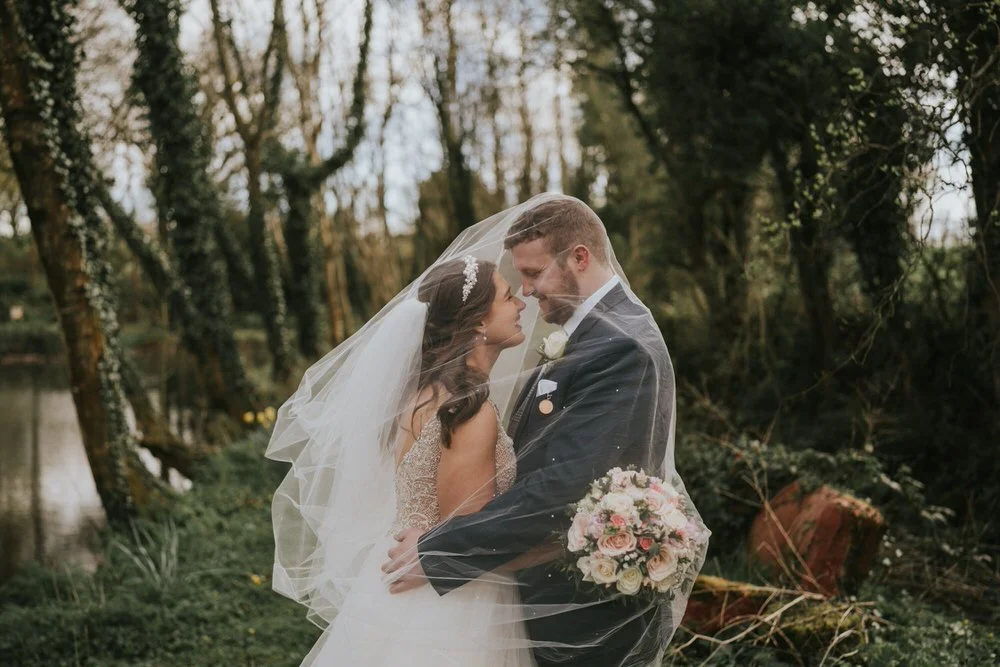
Most popular style of veil for Northern Ireland weddings
Based on the what we have seen over last couple of years while photographing weddings, the most popular option here is very much the cathedral style veil. This type of veil is characterized by its very long length, often extending several feet beyond the train of the wedding gown. The veil is typically worn with a tiara or headpiece, and is draped over the shoulders or held in place with a comb. Be careful with those combs ladies, we have seen a few brides cut themselves by putting them in too aggressively.
One of the biggest advantages of the bride’s cathedral veil is its ability to add drama and elegance to any wedding gown. The long length of the veil creates a sense of grandeur and makes the bride look like a true princess on her special day. The veil also works well with a variety of hairstyles, from simple updos to more elaborate styles.
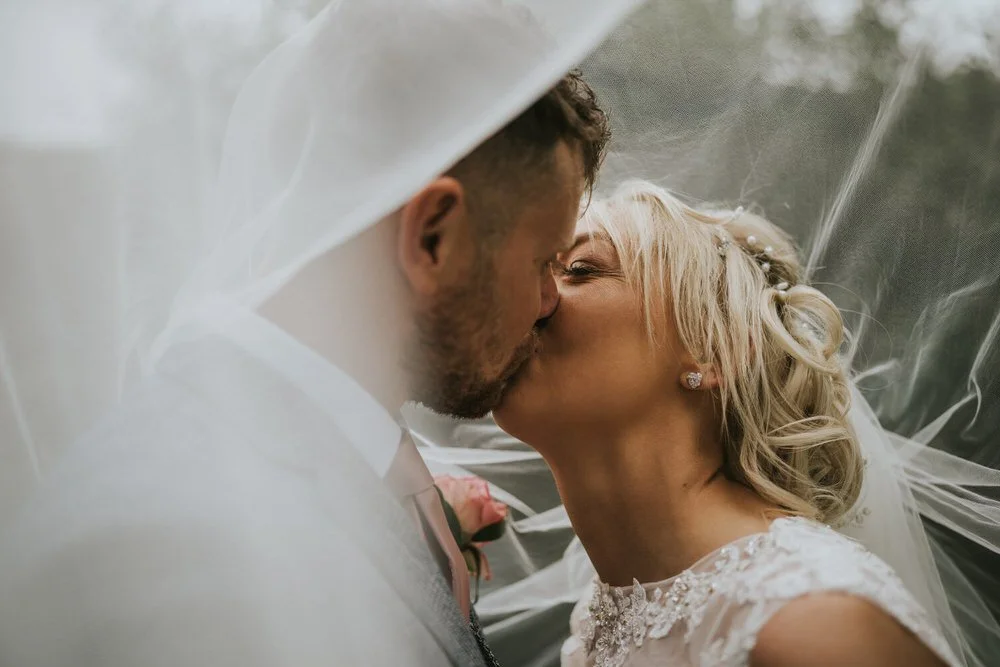
Another advantage of the bride’s cathedral veil is its versatility. It can be worn in a variety of ways, depending on the bride's preferences. The veil can be worn to cover the face, draping over the shoulders, or held in place with a comb. It can also be worn as a one-layer or multi-layer veil, depending on the bride's desired look.
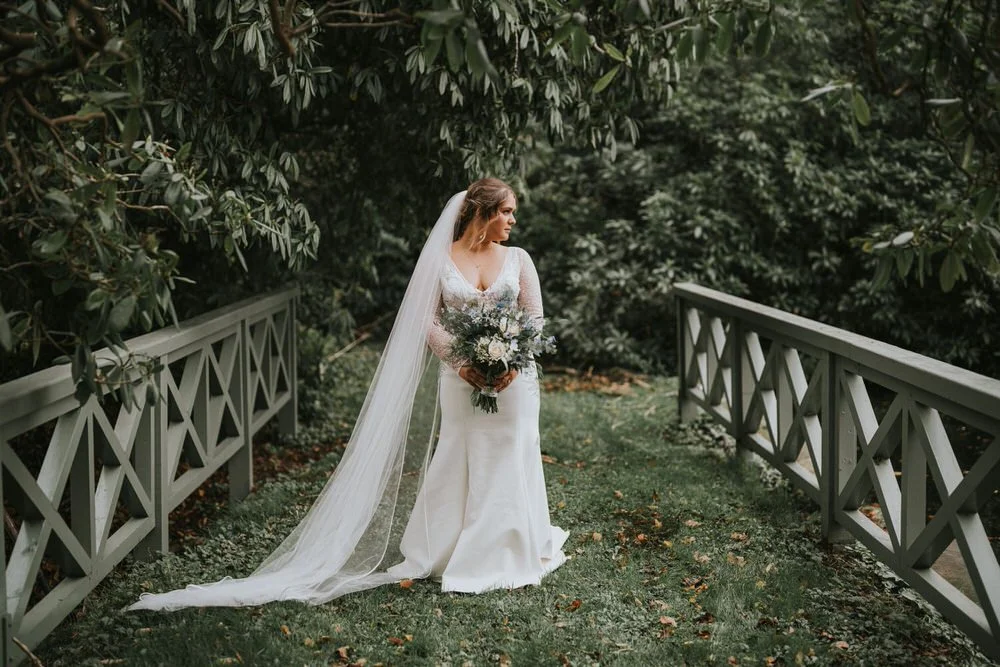
As wedding photographers in Northern Ireland when a bride wears a veil we think it has both advantages and disadvantages. The veil does provide some great photo opportunities which of course we love and it can really help towards getting stunning portraits. On the flip side of the coin though, some brides don’t find them comfortable, and we always want our brides to feel as comfortable as possible. They can also cause havoc on a windy day as well, although that can be fun.
Alternatives to the brides wedding veil
Some brides off course decide not to wear a veil at all. While another popular option is to choose a bride’s cape instead. These capes can be made from a variety of materials, including tulle, silk, and lace, and can be worn over a wedding dress or as an alternative to a traditional veil.
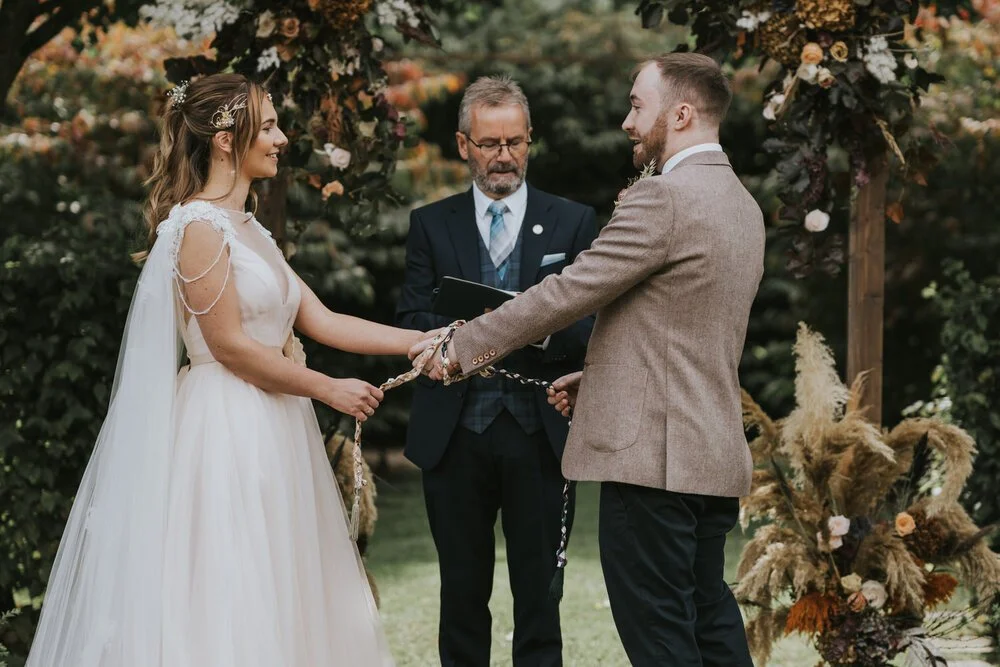
One of the biggest benefits of a bridal cape is the versatility it offers. Capes can be worn by brides of all shapes and sizes, and can be customized to match the style of any wedding. They can be short and simple, or long and elaborate, and can be worn with a variety of different necklines and wedding dress styles.

Another benefit of a bridal cape is the added warmth and coverage they provide in the same way a veil does. Capes can be a great option for brides getting married in cooler weather or in outdoor settings, as they can keep the bride warm without adding bulk to the dress. They can also provide extra coverage for brides who want to keep their arms covered.
If you would like to find out more about other wedding traditions you might also find these articles helpful.
WEDDING TRADITIONS: THE WEDDING FLOWERS
WEDDING TRADITIONS: THE CUTTING OF THE WEDDING CAKE
WEDDING TRADITIONS: THE BRIDAL PARTY