
Circles of Commitment: The Traditions of Wedding Rings
Nothing else quite represents a wedding like the wedding rings, they are a symbol of the couple’s love, devotion and commitment to each other and the exchanging of the rings is one of the oldest known wedding traditions. They have been a wedding tradition for many thousands of years and can be traced all the way back to the Ancient Egyptians. Many believe that it was the Ancient Egyptians that started the trend of wearing a wedding ring on the fourth finger of your left hand as they believed that there was a vein in that finger that ran straight form your finger to your heart. They also believed that a circle was a powerful symbol signifying eternity.
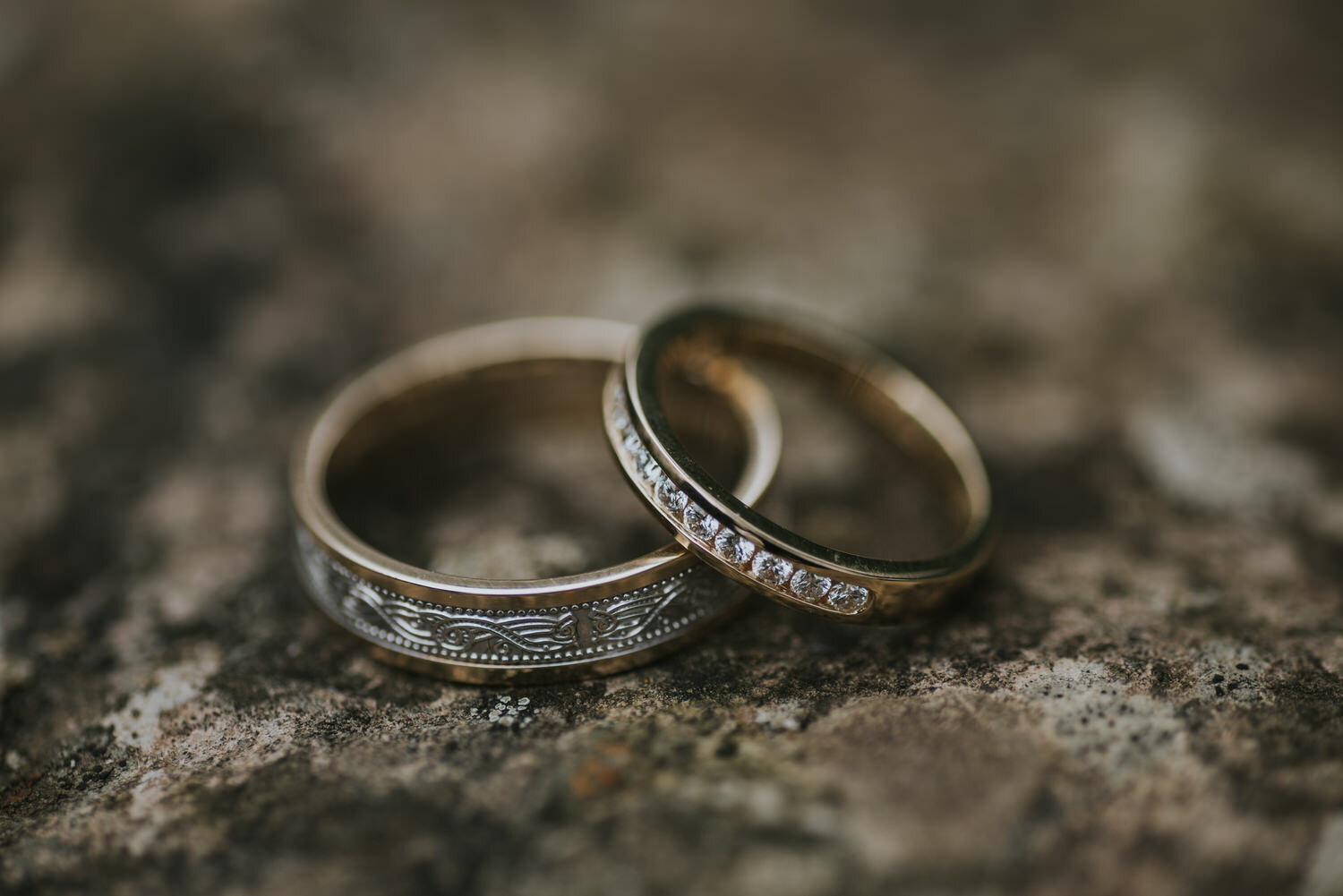
Others believe that the tradition of wearing your wedding ring on the fourth finger of your left hand is based on the Christian marriage ceremony. As the minister or priest recited the binding marriage prayer, he would touch the thumb, forefinger and middle finger while saying “in the name of the Father, the Son and the Holy Spirit.” When the final word “amen” was spoken, they would then place the wedding band on the ring finger. Wedding rings still today symbolize the union of two people and identify them as a couple. Although couples in some European countries wear rings on their right hand, it is thought that the left ring finger was the preferred choice because the ring would be less likely to be damaged as most people are right-handed.
Egyptian scrolls dating back more than 3,000 years describe couples presenting each other with rings made from hemp and reeds. As these didn’t not last long, couples eventually replaced them with rings made from leather, bone and ivory. Wedding rings eventually became a status symbol with the value of the ring demonstrating the net worth of the groom.
As time moved on wedding rings became more intricate and the wealthy began to use wedding rings made from precious metals like Gold. By the 16th century in Europe it became popular to wear Gimmel rings. These are a ring which had been split in two so that both the bride and groom could wear them when they became engaged. On the day of the wedding the groom would place his ring on the bride’s finger reuniting the two rings and confirming their marriage.

In Ireland it was still popular to use wedding rings made out of straw and other materials right up until the late 17th century as ordinary people just could not afford the cost of rings made from precious metals. More wealthy grooms presented their new wife with a Claddagh ring. A few years ago, while on a day out with our kids to the Ulster American Folk Park in Omagh, we witnessed a re-enactment of an 17th century Irish wedding and seen the wedding rings made of straw ourselves.

Up until World War II it wasn’t popular for men to wear a wedding ring at all. But during the war it became a trend as men wore a wedding ring to remind them of their wives left at home. After the war ended this trend continued with civilian grooms deciding to wear rings as well.
Over the years as with everything else fashion and trends change and the wedding ring is a great example of that. Throughout history ring styles have changed and adapted to suit the era from the complex designs including hands and hearts etc. that were popular in the 15th century throughout Europe to the more popular styles that are more common today.

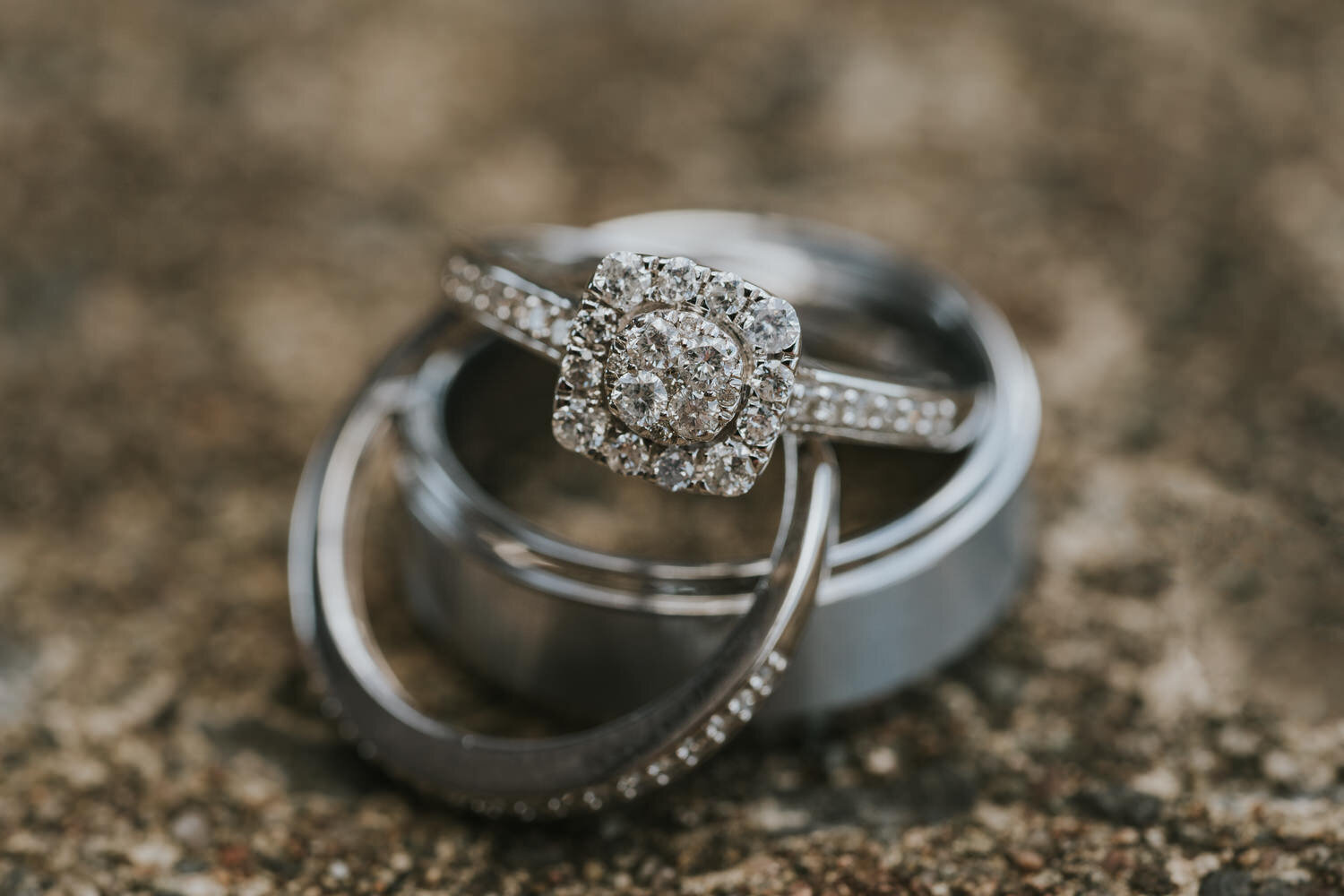
As a wedding photographer in Northern Ireland we have seen many different styles and types of wedding rings. Some of our couples have had their rings made exclusively for them to their own design, others have had their rings made from materials from their parents and grandparents rings. We have had grooms who due to their occupation have opted for rings made out of ceramic or tungsten instead of the usual gold or platinum.
If you would like to find out more about other wedding traditions you might also find these articles helpful.
WEDDING TRADITIONS: THE WEDDING FLOWERS
WEDDING TRADITIONS: THE CUTTING OF THE WEDDING CAKE
WEDDING TRADITIONS: THE BRIDAL PARTY